How to Plan a Family Budget With a Simple Example
How to plan a family budget in five steps, with a worked ₹80,000 example using the 50/30/20 rule, plus tracking together and what to do first if you're starting from zero.

Arun Andiselvam

If you have been meaning to sort out your household money for months and keep putting it off, you're in good company. Most families don't avoid budgeting because they're bad with money. They avoid it because it feels like homework. Spreadsheets, formulas, receipts in a shoebox, and a nagging feeling that you'll do it wrong.
Here's the good news. Learning how to plan a family budget takes one quiet evening, a rough idea of what comes in, and a way to keep track of what goes out. That's it. This guide walks you through it step by step, with a worked example you can copy, plus answers to the questions that trip people up when they're starting from zero.
The short answer: what a family budget actually is
A family budget is a plan for your household's money over one month. You write down what's coming in, then decide in advance where it should go, and check whether reality matched the plan.

That's the whole thing. Not an app with forty charts, not a balanced ledger down to the last rupee. A plan, then a check.
The reason most budgets fail isn't bad math. It's that they're too strict to survive contact with a real family. You cut out every small pleasure, hold the line for two or three weeks, and then one bad Tuesday blows the whole thing up and you give up entirely. Build in breathing room from day one so the plan can bend without snapping. A family budget that leaves space for chai runs, a movie, and the kids' random demands is one you'll still be using in six months.
One more framing shift helps here. A family budget is a shared document, not a rulebook one person enforces on everyone else. If only one adult knows the numbers, you don't have a family budget. You have a secret.
Step 1: Add up what actually comes in
Start with income, because everything else is sized against it.
List every source: salaries after tax, freelance work, rent from a property, interest, a side business, or money a grown child contributes. If your household has one steady paycheck, this takes thirty seconds. If it doesn't, take a little more care.
Multiple income streams are where simple budgeting tools fall over. A single monthly salary slot can't represent a salaried partner plus a freelancer paid at irregular intervals. Add a small shop that does better in festival season, and the picture gets messier still. If that's your household, you need a setup that lets you record more than one repeating income, each on its own schedule, so your monthly picture isn't quietly wrong.
For irregular income, budget against your lowest typical month rather than your best one. Good months then become a bonus you can assign on purpose, to savings or to a debt, instead of money that just evaporates.
Step 2: Sort your spending into needs, wants, and savings
Now the outgoings. Pull up the last two or three months of bank and card statements and group everything into three buckets.
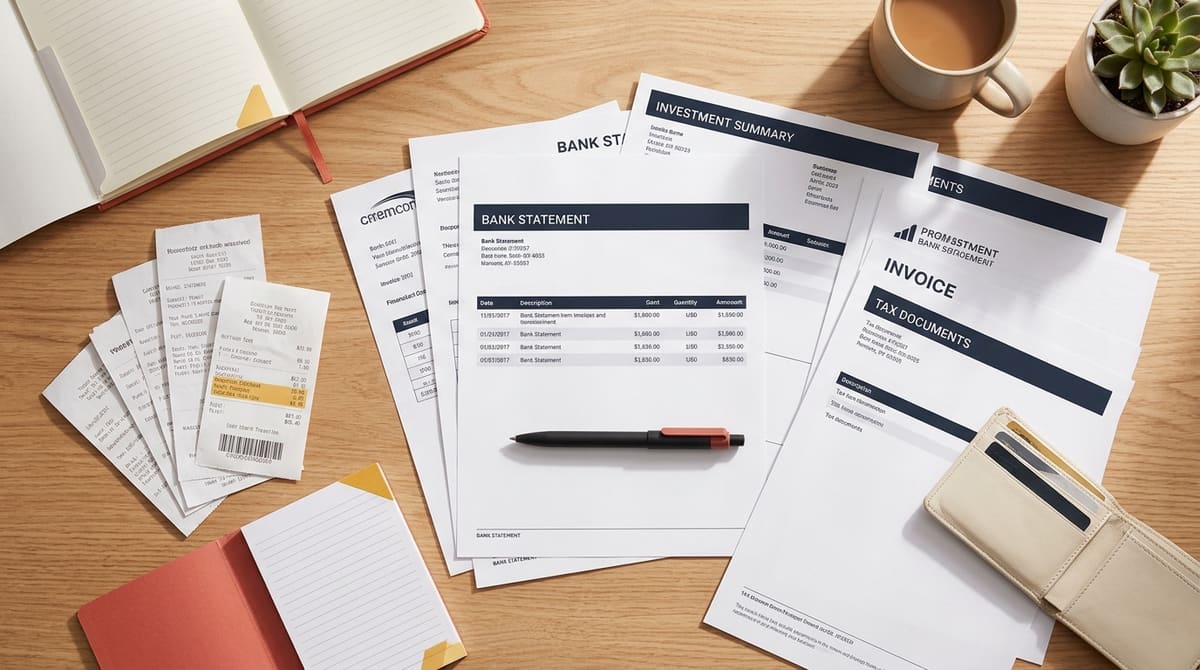
Needs - rent or EMI, groceries, utilities, school fees, transport to work, insurance, medicines. The things that would cause real trouble if you stopped paying them.
Wants - eating out, streaming, clothes beyond replacing what's worn out, gadgets, weekend outings. Nothing wrong with any of it. It just isn't survival.
Savings and debt - emergency fund, investments, and anything you're paying off above the minimum.
The 50/30/20 rule is the most popular way to size these buckets. Half your income to needs, 30% to wants, a fifth to savings and debt. Treat it as an initial shape, not a law. In cities with high rent, needs often eat more than half, and the honest move is to shrink wants a little rather than pretend the rent is smaller. The rule works best when the wants category stays genuinely spendable, since zeroing out your fun money collapses the whole plan within weeks.
Doing this sort once is also quietly revealing. Most families find at least one subscription nobody remembers signing up for.
Step 3: A simple budget plan example for family
Numbers make this concrete, so here's a budget plan example for family use that you can adapt to your own income. Say a household brings in ₹80,000 a month after tax.
| Category | Share | Amount | What's inside |
|---|---|---|---|
| Needs | 50% | ₹40,000 | Rent, utilities, groceries, school fees, transport, insurance |
| Wants | 30% | ₹24,000 | Eating out, subscriptions, outings, shopping, gifts |
| Savings and debt | 20% | ₹16,000 | Emergency fund, investments, extra loan payments |
Then break the big buckets into lines you can actually track: rent ₹18,000, groceries ₹12,000, utilities ₹4,000, and so on, until each bucket is fully assigned. Every rupee should have a job, including the fun ones.
A few adjustments worth making to any template:
Add a sinking fund for things that aren't monthly. Festival spending, school supplies, car servicing, annual insurance. Divide the yearly cost by twelve and set that aside each month so December doesn't ambush you.
Give travel its own line and revisit it often. Trip costs have climbed sharply, so a flight or hotel number you copied from an older planning template will likely come up short now. Price your actual trip, then back-solve how much to save monthly.
Make a bucket for anything you're chasing with rewards. Families with several cardholders sometimes concentrate spending on one card to build points toward a specific goal, usually travel. That only works if the goal is written into the budget as its own line, so the points get spent on purpose rather than drifting away.
This structure is just as useful if you're figuring out how to plan a monthly household budget for a flat share rather than a family. The categories change, the method doesn't. For the full walkthrough, see our guide on how to create a family budget.
Step 4: Track spending together, not on one person's spreadsheet
A plan without tracking is a wish, but this is exactly where most households quit.

Spreadsheets are the usual first attempt, and they're genuinely decent, until you hit formulas. Beginners regularly stall out here, convinced they need technical skills to build a tracker. (For the record, the trick people most often get stuck on is the dollar sign. Writing $B$2 instead of B2 locks that reference in place so you can drag a formula down a column without it sliding to the wrong cell.) Useful to know, and also completely unnecessary if you'd rather not become a part-time spreadsheet administrator.
The bigger problem with spreadsheets is that only one person ever updates them. Your partner buys groceries, your mother-in-law pays the electricity bill, your teenager uses the shared card. None of it lands in the sheet until someone sits down on Sunday and reconstructs the week from memory.
This is the gap a shared tracker fills. With Zedger, your household gets a Family Book, a single shared ledger where anyone in the family can log a spend in a few seconds from their own phone. Recurring items like rent, EMIs and subscriptions sit in a Recurring Book so you're not retyping the same entries every month, and trips get their own Trip Book so a holiday doesn't contaminate your everyday grocery numbers.
Families use it to keep this kind of shared spending visible. Because it never asks for bank credentials, UPI access or OTPs, nobody has to hand over login details to get started. If you want the full picture of how household tracking works in practice, our family expense tracker app page lays it out.
Whatever tool you pick, the test is the same. Can every adult in the house add an expense in under ten seconds, on their phone, without being reminded? If not, the tracking won't last.
Step 5: Hold a short monthly review and adjust
Pick a fixed day, last Sunday of the month works well, and spend twenty minutes together on three questions. What did we plan? What did we actually spend? What changes next month?
Expect to be wrong the first two or three months. Everyone underestimates groceries and forgets about one-off costs. That's not failure, that's calibration, so adjust the numbers to match reality rather than scolding yourselves for missing them.
Use this meeting for the awkward conversations too, early. Holiday spending with extended family causes more quiet financial stress than almost anything else. Gifts for a long list of relatives, hosting, travel to a hometown, contributions to a family event nobody formally agreed to. Deciding your number before the season starts, and saying it out loud to the relatives involved, is far easier than renegotiating in the middle of December.
One more habit worth stealing is shared grocery discipline. A group of flatmates who pooled and planned their grocery shopping the way they'd been taught as kids, buying to a list, cooking in batches, nothing duplicated, noticeably trimmed their combined food bill. The same logic works in a family kitchen.
Starting from zero: save, budget, or clear debt first?
If you have nothing set up and some debt, the order feels impossible to choose. Here's a sequence that works for most households.

First, build a small emergency cushion. The commonly cited initial target is ₹40,000 to ₹80,000, enough that a phone repair or a doctor's visit doesn't go onto a card. Once that cushion exists, you have the stability to do anything else.
Second, set up the budget itself. You can't make good decisions about debt payoff until you know what's actually left over each month.
Third, attack high-interest debt with whatever the budget frees up. Then grow savings properly, and only then look at longer-term investing.
That's the sequence, and you don't need to do all three at once. Opening a cushion while running a rough budget beats waiting for a perfect plan.
Choosing a tool you'll actually keep using
The best budgeting system is the one that survives a busy week. Before you commit, check whether everyone in the household can add expenses, and whether it separates different kinds of spending instead of dumping them in one list.
Zedger's Free plan covers six months of expense history, four Books and ten members per Book, which is enough for most families to run a full budget without paying.
Pro is $1 a month ($8.99 a year), VIP is $1.99 a month ($17.99 a year), and you can downgrade whenever you like. Offline entry with automatic sync means a patchy connection doesn't cost you a record, and data can stay on your device if you'd rather it did.
If you'd like to compare options before deciding, we've written up the best family budgeting apps with an honest look at what each one is good at.
Ready to start? Get Zedger on Google Play or the App Store. If you're setting this up for a housing society or a larger group, contact sales and we'll help you work out the right fit.
Tags: